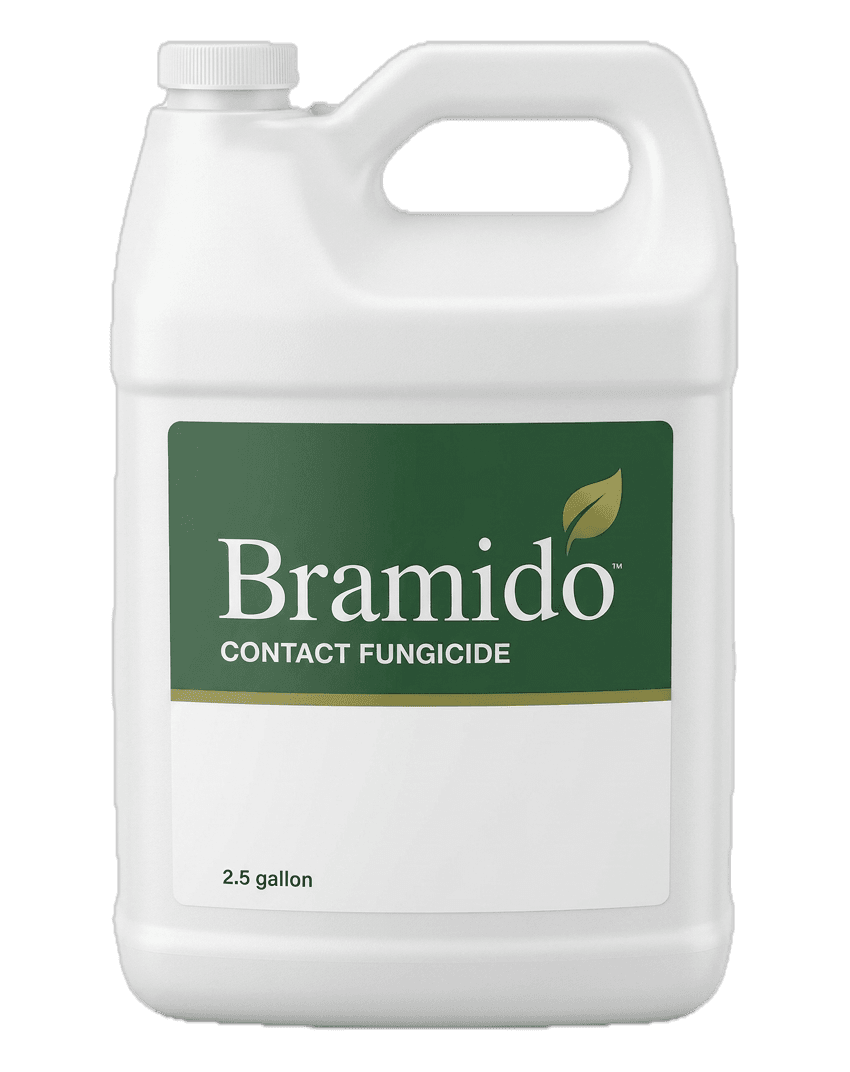
Bramido
Fungal Control you can count on
- FIFRA 25(b) Exempt
- 0-Day PHI: Use Up to Day of Harvest
- Field & Greenhouse
- Made in USA
Diseases ControlledKnocked down on contact.
- Powdery mildew
- Downy mildew
- Botrytis
- Hull rot
- Sour rot
- Black rot
- Phomopsis
- Greasy spot
- Anthracnose fruit rot
A contact fungicide for field and greenhouse applications, effective against fungal plant pathogens on a wide variety of crops.
Direct contact with the target organism is what drives control, so applications should cover both sides of every leaf. Bramido fits a disease resistance management program in rotation with fungicides that have different modes of action, and it stays available late in the season when pre-harvest interval restrictions limit other fungicides. It may be used up to the day of harvest. Bramido is applied as a foliar spray in orchards, vineyards, berries and vegetables, including almonds, grapes, citrus, stone fruit, pome fruit, nuts, strawberries, blueberries and cucurbits.
Features & Benefits
- Contact fungicide with potassium sorbate (45%) as the active ingredient.
- Effective against fungal plant pathogens on a wide variety of crops.
- For field and greenhouse applications.
- May be used up to the day of harvest.
- One rate range across labeled crops: 32–128 fl oz per 100 gallons of water.
- Water-based liquid concentrate; mixes with water for foliar application.
Mode of Action
- Works on direct contact with the target organism; thorough coverage of all plant surfaces is what delivers control.
- Ensure application covers both sides of leaves, using sufficient spray volume to completely cover the canopy.
- Brings a different mode of action to the program, for rotation with conventional fungicides in disease resistance management.
- Start applications as soon as the first visual symptoms are observed and repeat every 7–10 days while conditions favor disease; citrus greasy spot programs run every 21–28 days.
- Preventative programs for Botrytis blossom blight and anthracnose fruit rot in blueberry begin at early green tip and bloom.
- Use the higher rates and shorter intervals for challenging diseases or when conditions favor disease development.
Added Value
- A late-season option when pre-harvest interval restrictions sideline other fungicides.
- Slots into resistance management rotations alongside conventional chemistry.
- Labeled for powdery mildew, downy mildew, Botrytis, hull rot, sour rot, black rot, Phomopsis, greasy spot and anthracnose fruit rot.
- Covers almonds, grapes, citrus, stone fruit, pome fruit, nuts, strawberries, blueberries and cucurbits with one product.
- Supplied as a 2.5 gal jug, 5 gal pail or 275 gal tote.
- Manufactured by Planta BioScience in Delhi, California.
Formulation
Liquid concentrate, 32–128 fl oz / 100 gal (see label for all rates)
Application
Foliar spray. Ensure coverage on both sides of leaves
Active Ingredient
Potassium Sorbate, 45%
Crops Protected
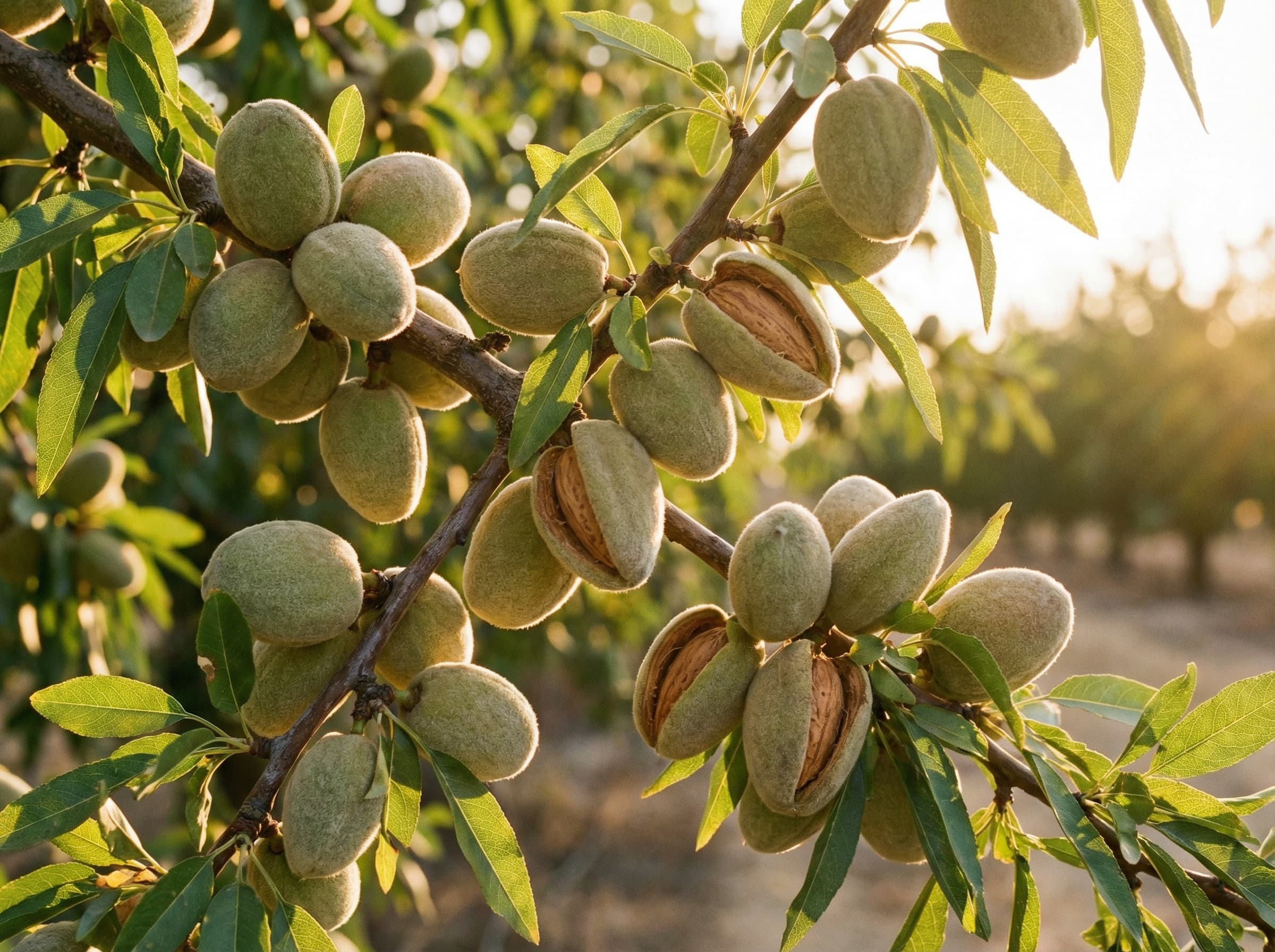
Almonds
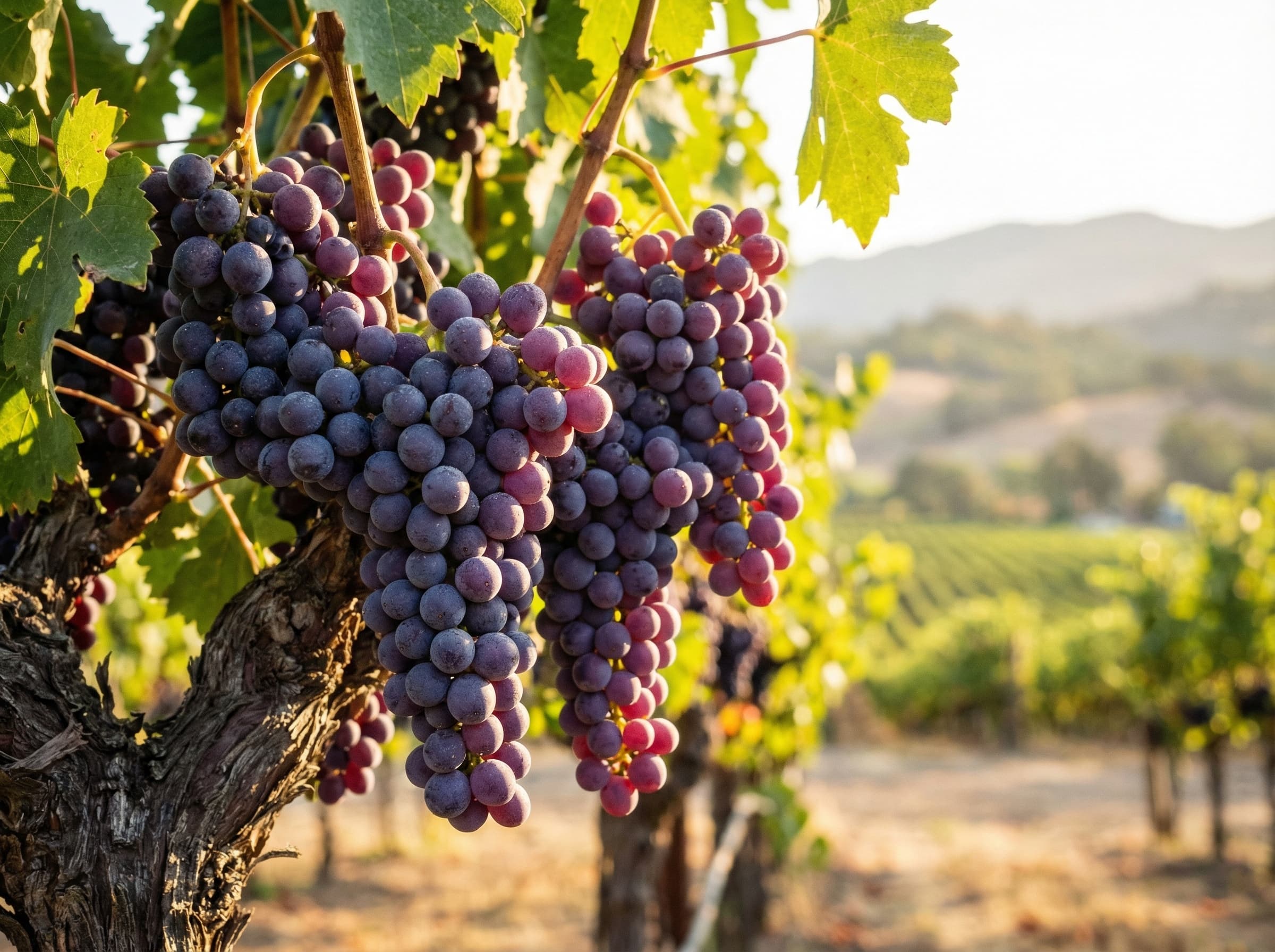
Grapes
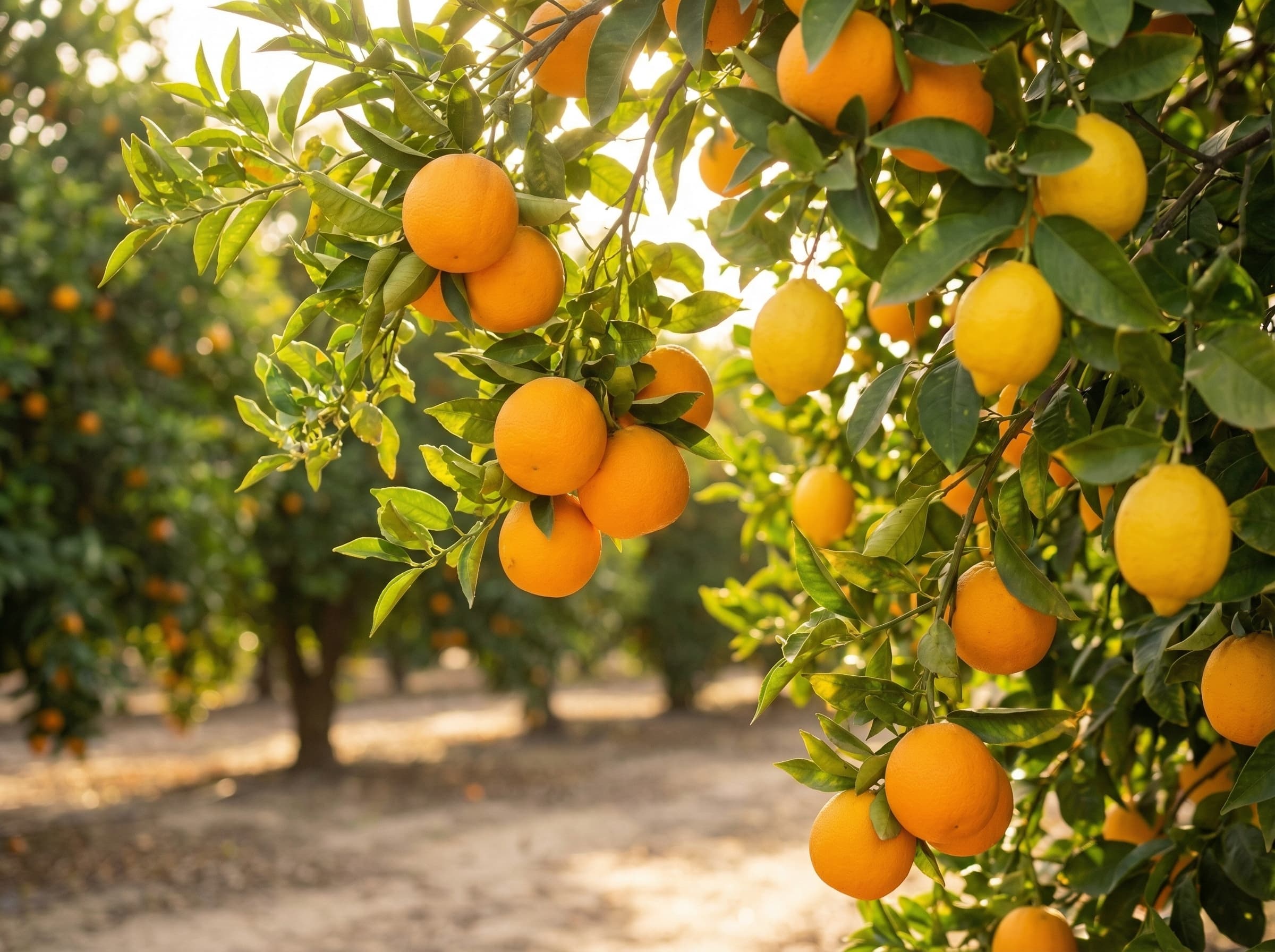
Citrus
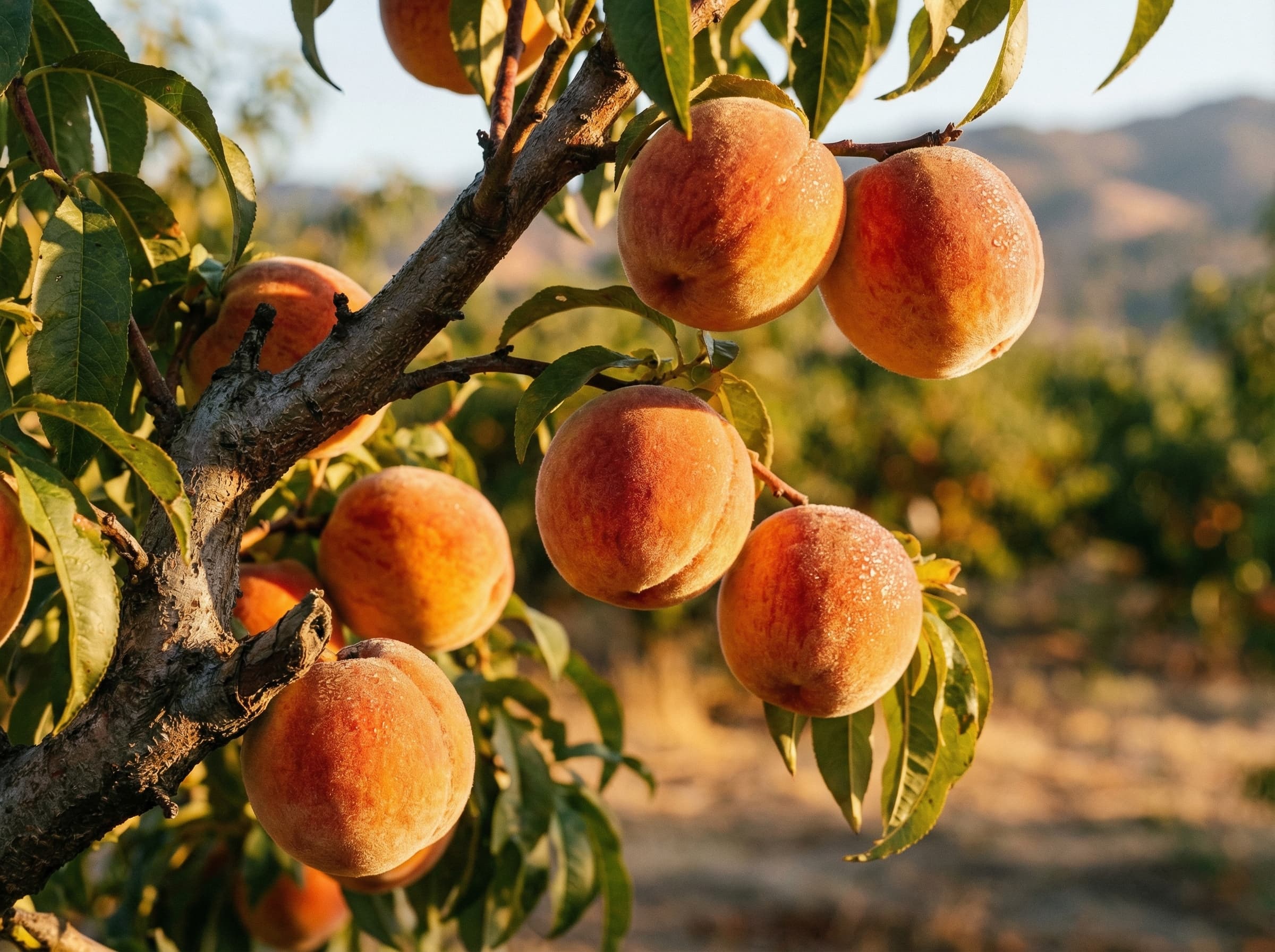
Stone fruit & pome fruit
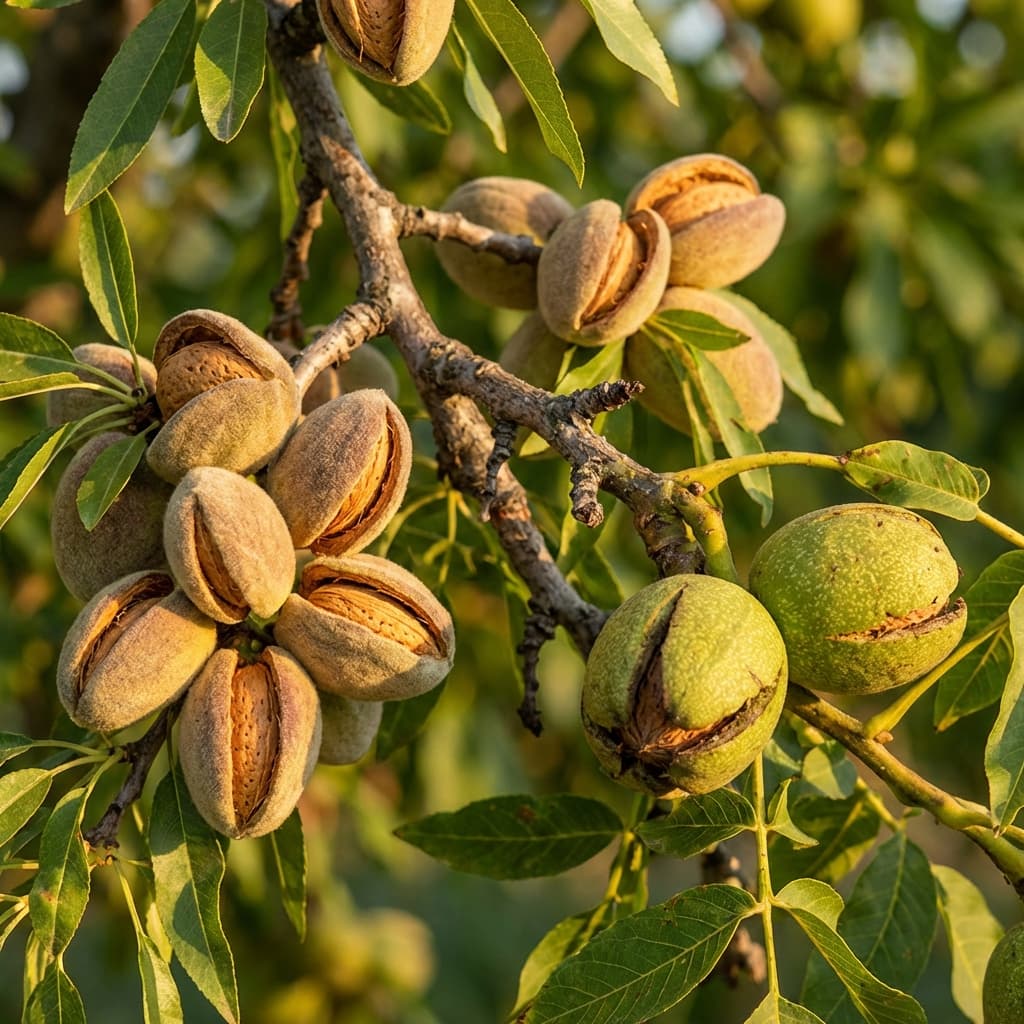
Tree nuts
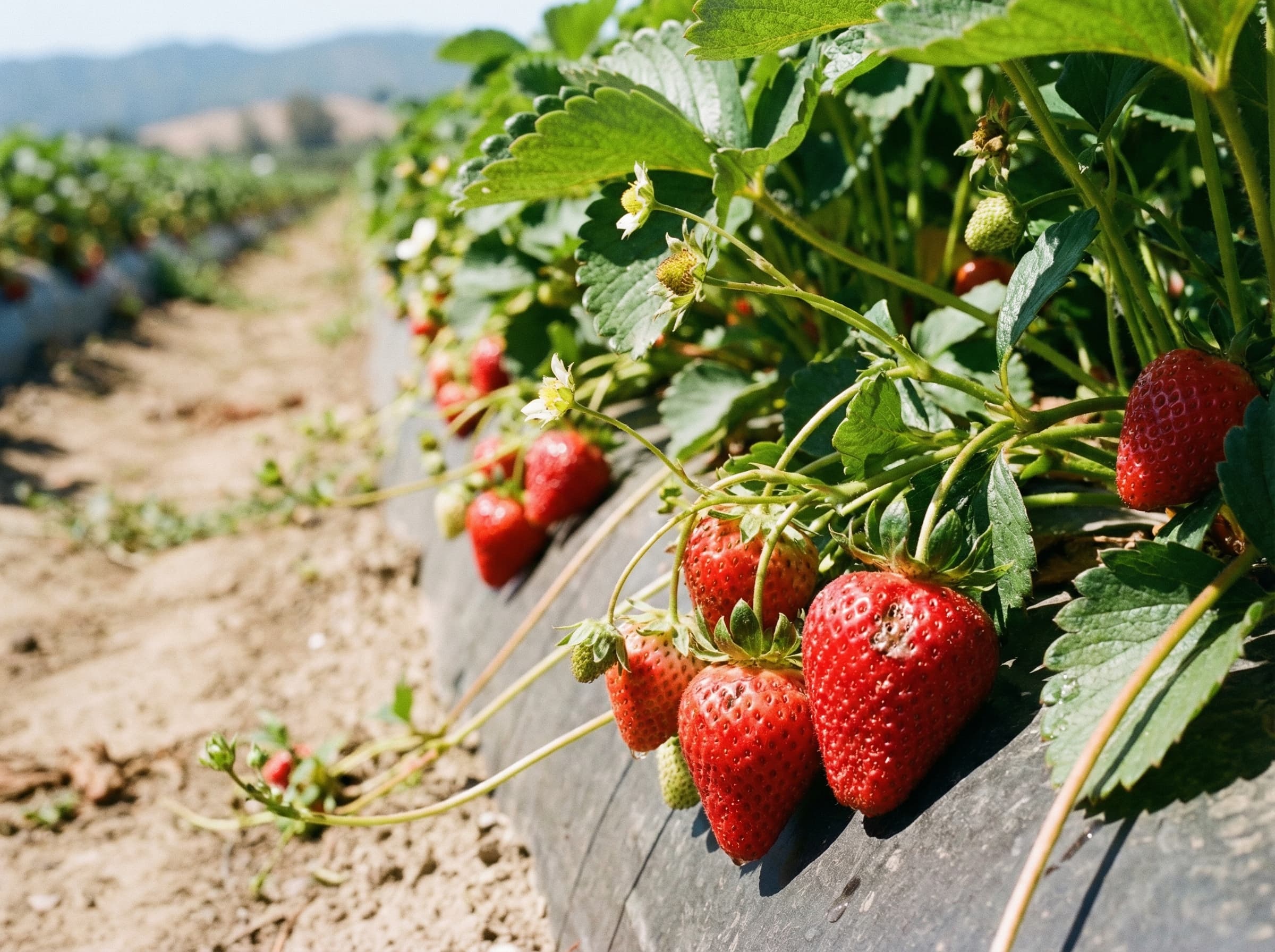
Strawberry
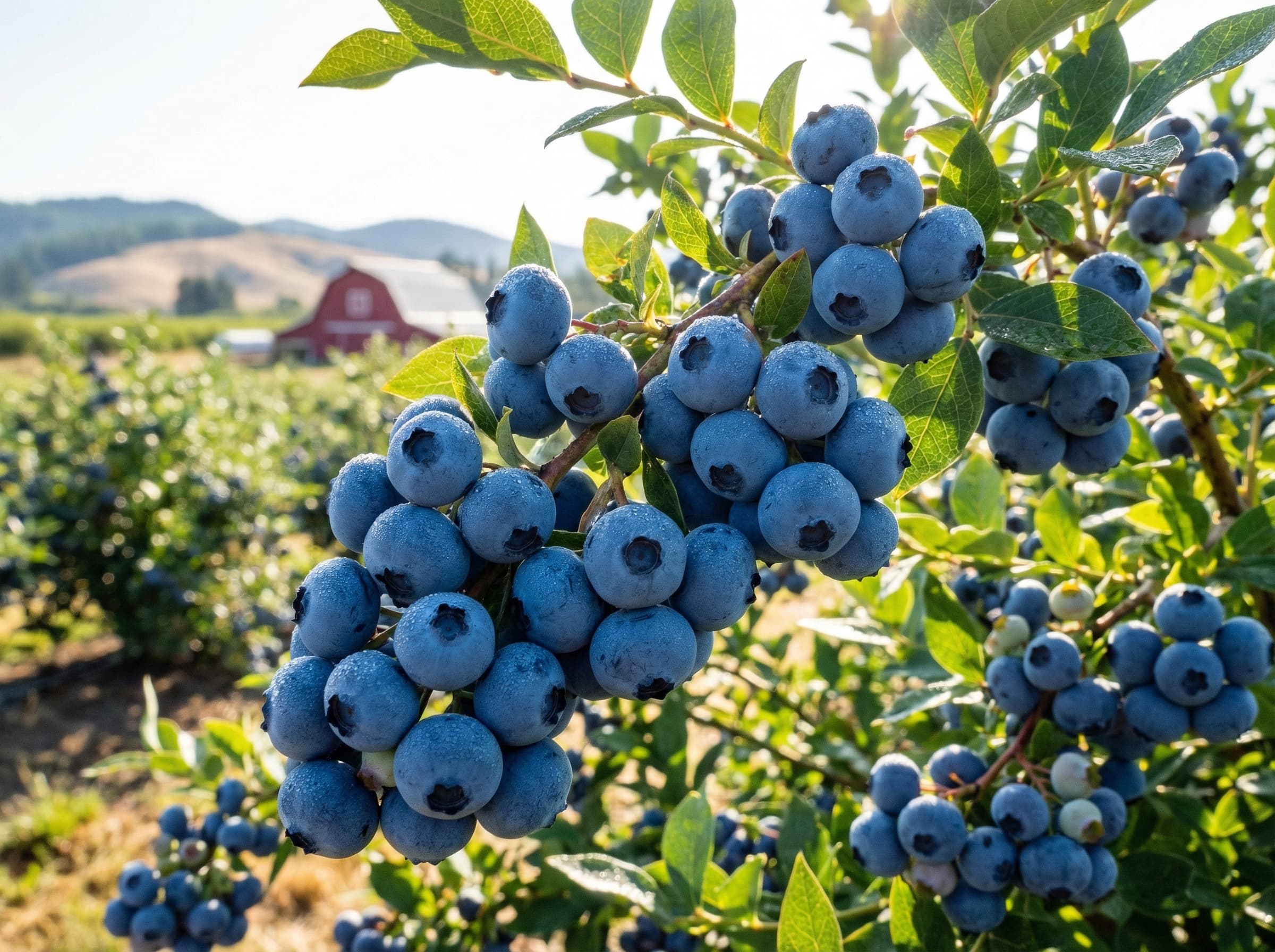
Blueberry
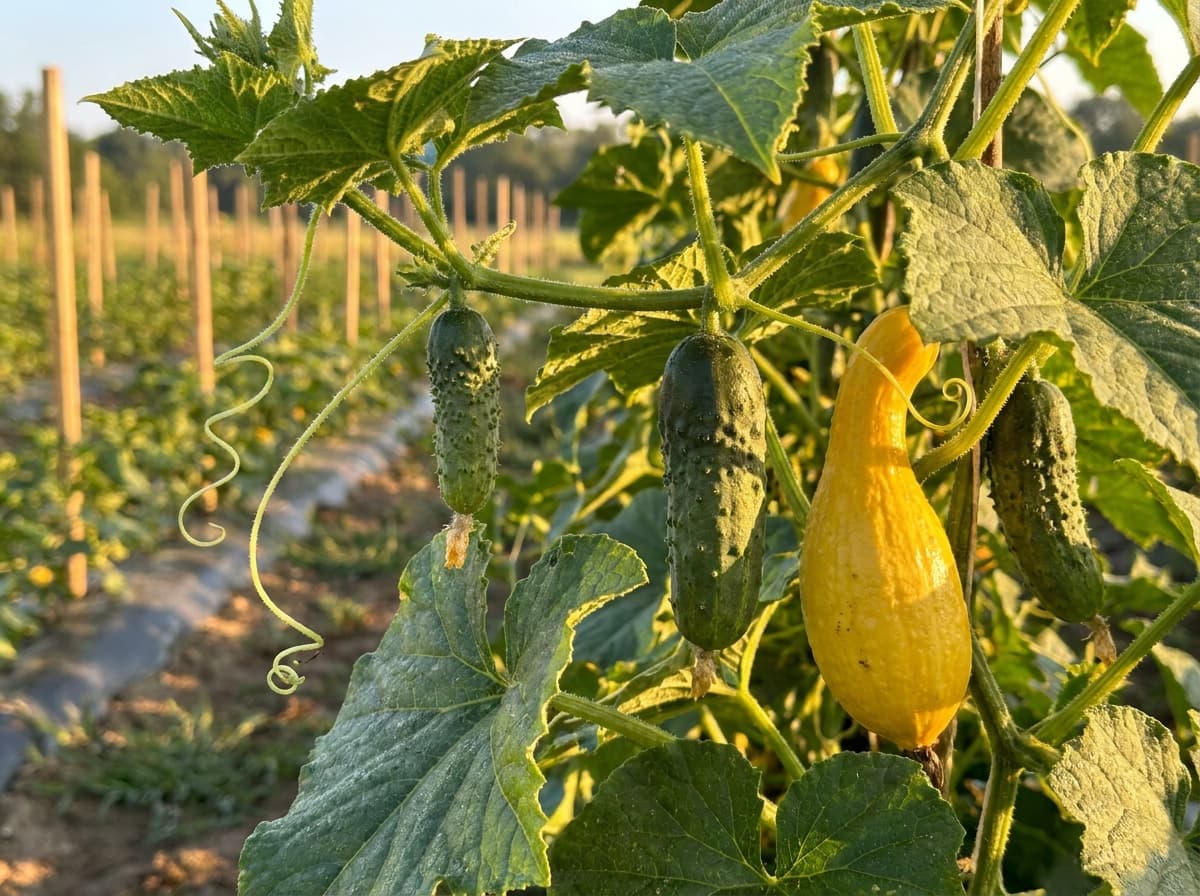
Cucurbits
- LabelComing soon